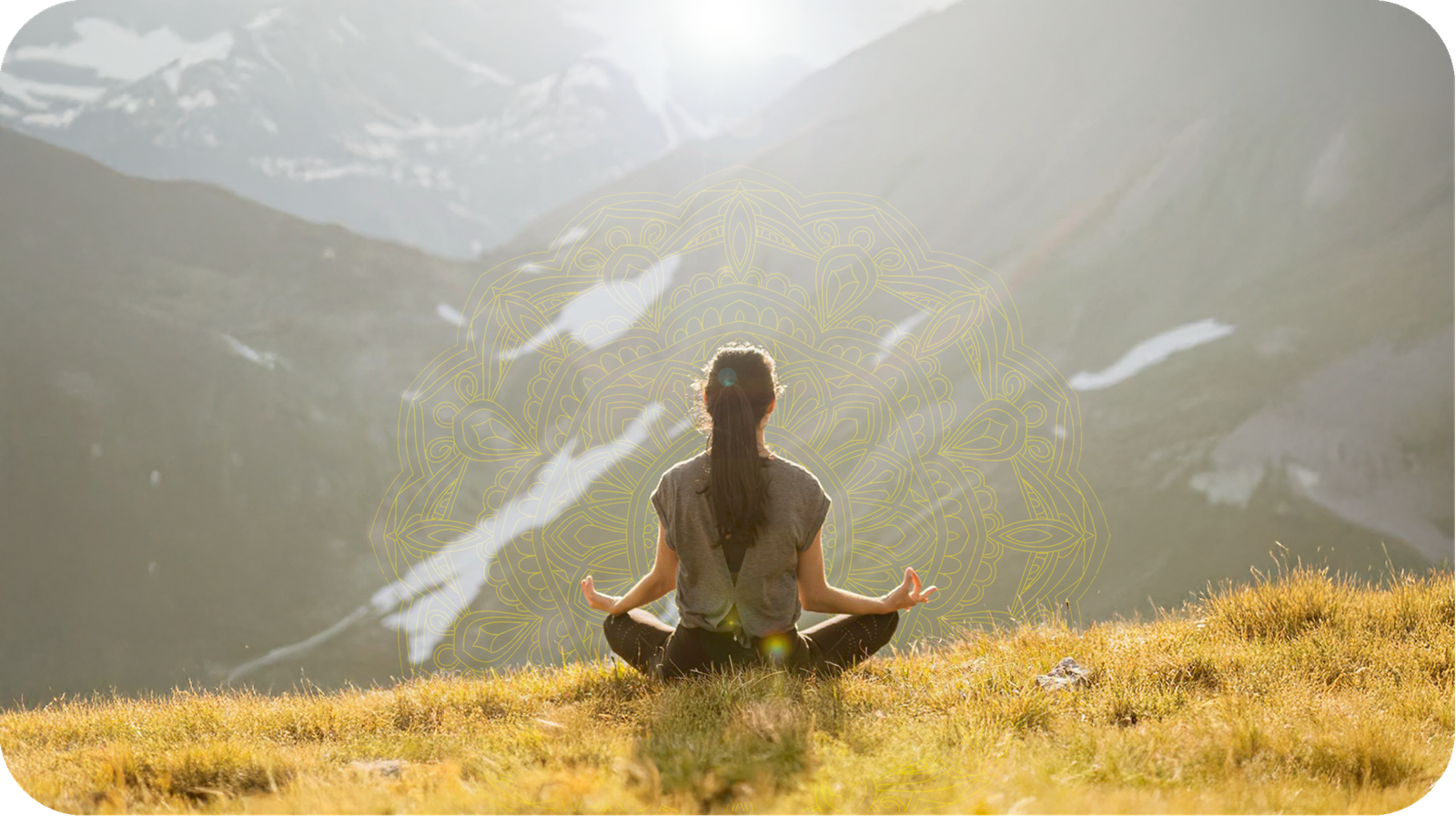

There is a difference between being alone and feeling alone.
You can be surrounded by people and still feel disconnected. And you can sit quietly by yourself and experience something completely different: peace.
We don’t always recognise this difference. The moment we are alone, we often reach for our phone.
We turn on music. We call someone. We open social media. We find something to watch. Not because there is anything wrong with those things, but because silence can make us uncomfortable.
When there is no one else around, we are left with ourselves. And sometimes, that is exactly where we need to be.
Being alone isn’t always loneliness
Loneliness is an experience of feeling disconnected or lacking meaningful connection. Being alone is simply a circumstance. The two are not the same.
You can be alone and feel deeply connected to yourself. You can also be surrounded by hundreds of people and feel completely unseen. This is why filling your life with people doesn’t always resolve loneliness.
Sometimes what we are searching for isn’t more noise. It is deeper connection, with others, yes, but also with ourselves.
When did silence become uncomfortable?
Think about the last time you had absolutely nothing to do. No phone. No conversation. No television. No work. No notifications. Just you.
How did it feel? For some people, that moment feels peaceful. For others, it feels almost uncomfortable. Thoughts begin appearing. Memories surface. Questions arise. We may suddenly become aware of emotions that were hidden beneath the busyness of everyday life.
So we reach for the phone again, and the moment passes. But perhaps silence isn’t something we need to escape. Perhaps it is something we need to learn to experience.
You don’t have to entertain yourself every moment
Modern life gives us an almost endless supply of stimulation. There is always something to watch, something to read, someone to follow, someone to respond to, something happening somewhere.
Our attention can constantly move outward. But spiritual growth often asks us to turn our attention inward. Not because the outside world doesn’t matter, it does, but because if we are constantly looking outward, we may never notice what is happening within.
A few quiet minutes can reveal more about your inner world than hours of distraction.
Learn to enjoy your own presence
Imagine having a friend who was always criticizing you. Every mistake remembered. Every insecurity highlighted. Every decision questioned. Would you enjoy spending time with that person?
Now consider how you speak to yourself. When you make a mistake, what do you say? When you don’t know what to do, how do you treat yourself? When you are having a difficult day, do you offer yourself compassion or criticism?
Learning to be comfortable alone begins with changing the relationship you have with yourself. You don’t have to become your own biggest fan overnight. Start by becoming a little kinder.
You are allowed to enjoy your own company
You don’t need someone else to validate every moment of your existence.
- You can take yourself for a walk.
- You can sit quietly with a cup of tea.
- You can read something meaningful.
- You can watch the sunset.
- You can journal, meditate, or simply sit and breathe.
These moments may seem small. But they teach you something powerful: your own presence can be enough for this moment. That doesn’t mean you don’t need people. Human connection is deeply important. It simply means connection with others becomes healthier when you aren’t constantly asking other people to fill every empty space within you.
Solitude can reveal what you truly want
When you are constantly surrounded by other people’s opinions, it can become difficult to hear your own.
What do you actually want? What matters to you? What kind of life feels meaningful? What are you doing because you genuinely choose it, and what are you doing because you are afraid of disappointing someone?
These questions don’t always have immediate answers, but solitude creates space for them. Without the pressure to perform for anyone else, you may begin to notice what feels authentic. Authenticity is an important part of spiritual growth.
There is a quiet difference between escape and solitude
Sometimes we isolate ourselves because we don’t want to deal with the world. That can be very different from intentionally creating space for yourself.
Escape says, I don’t want to deal with anything. Healthy solitude says, I want to create space to understand myself.
One comes from avoidance. The other can come from awareness. If you have been withdrawing because you feel overwhelmed, hopeless or disconnected, you don’t have to carry that experience alone. Reaching out to someone you trust or speaking with a qualified professional can be an important step.
Being comfortable alone should never mean believing you have to handle everything by yourself.
A fifteen minute practice to try today
Give yourself fifteen minutes today. No phone. No television. No social media. No multitasking.
- Find somewhere comfortable and take a few slow breaths.
- Simply notice what is happening within you, thoughts, emotions, sounds or your own
breathing. - You don’t need to change anything. If your mind becomes busy, let it be busy. If you feel
restless, notice the restlessness. If you feel peaceful, notice the peace.
The practice isn’t about creating a particular experience. It is about learning to be present with the experience that is already here.
Three questions worth asking yourself
After your quiet time, write down your honest answers to these:
- What did I notice when everything became quiet?
- What have I been needing that I haven’t acknowledged?
- What would it mean to become a better companion to myself?
Don’t worry about writing the perfect answer. This isn’t an exam. It is a conversation with yourself, and like every meaningful conversation, it begins with listening.
You don’t have to choose between yourself and others
Being comfortable alone doesn’t mean becoming distant from everyone. Quite the opposite.
When you become more connected with yourself, you may begin to connect with others more consciously. You can spend time with people because you genuinely want their company rather than because you are afraid of being alone. You can say yes without abandoning yourself. You can say no without feeling guilty. You can love people without losing yourself in them.
That is a different kind of connection. A more conscious one.
A final thought
The next time you find yourself alone, notice what happens. Do you immediately try to escape the silence, or can you stay for a moment? Can you breathe? Can you listen? Can you allow yourself to simply exist without needing to achieve anything?
You may discover that being alone isn’t something you need to fear. It can become an opportunity to know yourself, to listen to yourself, to rest, and to reconnect. You don’t have to be surrounded by people to feel connected. Sometimes connection begins when you finally become present with yourself.
A gentle note about support
Healthy solitude is different from withdrawing out of hopelessness or disconnection. If time alone has started to feel like isolation rather than rest, that distinction matters.
If you have been withdrawing because you feel overwhelmed or disconnected, reaching out to someone you trust or a qualified mental health professional is an important and often necessary step. Being comfortable alone should never mean carrying everything by yourself.
Frequently asked questions
What is the difference between being alone and feeling lonely?
Being alone is a circumstance, simply not being around other people. Loneliness is a feeling of disconnection that can happen whether you are alone or surrounded by others. You can be alone without being lonely, and lonely without being alone.
Why do I feel uncomfortable when I’m by myself?
Silence often brings unspoken thoughts and feelings to the surface that daily activity usually covers. That discomfort is common and does not mean something is wrong with you. It usually means there is something worth listening to.
How can I learn to enjoy being alone?
Start small, with fifteen minutes of genuine quiet and one small act of self kindness, like a walk or a cup of tea without your phone. Comfort with solitude tends to grow gradually through small repeated practice rather than all at once.
Is solitude the same as isolation?
No. Solitude is intentional time with yourself that leaves you feeling more grounded. Isolation tends to come from avoidance or hopelessness and often leaves you feeling worse. If alone time feels like the second one, reaching out for support is a wise next step.
Does being comfortable alone mean I don’t need other people?
Not at all. Being at ease with yourself often makes relationships healthier, because you are choosing connection rather than seeking it to fill an empty space. Solitude and meaningful relationships support each other rather than compete.
A gentle invitation from the Centre for Transformation
The journey of transformation is not about escaping everyday life. It is about becoming more conscious within it.
Through spiritual teachings, Self exploration and a deeper understanding of consciousness, the Centre for Transformation offers opportunities to explore that journey more deeply. If this reflection resonated with you, take a little time to explore the CFT’s teachings and discover where your own journey may lead.
You don’t have to rush. You don’t have to know exactly where you’re going. You can simply begin by becoming more present to yourself and consider coming to our regular Wednesday night class at 7 PM mountain time.